

A balanced approach to asset renewal
RTD Denver’s four strategic initiatives for modernizing and achieving a state of good repair
By Debra A. Johnson, General Manager and CEO | Regional Transportation District (Denver, CO)
For more than half a century, the Regional Transportation District has connected communities across a 2,345-square-mile service area, providing mobility for more than 3 million residents in the Denver metro region. What began as a period of rapid expansion to meet the needs of a growing population has matured into a new era — one defined by sustaining and renewing the assets that keep our system strong. Today, RTD’s focus is on long‑term sustainability and asset renewal, ensuring that the agency safeguards the public’s vital investment in the transit network for decades to come.
This shift reflects our vision of being an agency that not only builds but also sustains, delivering excellence and value to the communities we serve. To advance that vision, we have launched the most ambitious reconstruction effort in RTD’s history: the replacement of 3.1 miles of 30‑year‑old embedded rail track in Denver’s Downtown Loop, a key segment of our light rail system that carried approximately 4,300 customers per day as of May 2025.
In summer 2024, we completed Phase 1, reconstructing five key intersections along the southern portion of the Loop. Phase 2 will address the midblock segments and will be delivered through a progressive design‑build approach —a first for RTD. By involving designers and contractors earlier in the process, this innovative model allows us to identify risks sooner, coordinate construction staging more effectively and accelerate project delivery, setting a new standard for how we approach major capital improvements.
This approach to Phase 2 delivery reflects RTD’s willingness to evolve not just what we build but how we build it. Bringing our Downtown Loop track into a state of good repair reflects our commitment to stewarding the public investments made decades ago and ensuring that our light rail system remains mechanically safe, sustainable, reliable and resilient for the next 30 years.
A framework for renewal
RTD’s shift from system buildout to long-term sustainability is guided by our strategic plan that shapes how we approach renewal and maintain a state of good repair. The plan centers on four strategic priorities that serve as functional pillars used to plan, develop, evaluate and measure the agency’s overall performance: Community Value, Customer Excellence, Employee Ownership and Financial Success.
Progress related to these priorities is measured through operational performance data and responses to annual employee, customer and community surveys. This information is then used to identify areas of opportunity for improvement.
Strategic initiatives and associated tactics are developed each year to improve agency performance in those specific areas, which, for 2025, include:
- Back to Basics —Strengthening asset management and improving internal communication
- People Power —Investing in our workforce and aligning staff with RTD’s mission
- Welcoming Transit Environment —Providing a system that is secure, clean and inviting
- Customer and Community Connections —Building trust through engagement and responsive service
Back to Basics
At RTD, going “back to basics” means recommitting to the fundamentals that keep our system mechanically safe and reliable. That begins with asset management. Our inventory systems are evolving, and by investing in smarter tools and streamlined processes, we are extending asset life cycles and improving service delivery across the network.
The Downtown Rail Replacement Project illustrates this focus. Replacing decades-old track in the heart of our system is more than a capital improvement – it is the outcome of better data, clearer priorities and a renewed commitment to stewardship. It demonstrates what is possible when maintenance is treated not as a cost but as a strategic investment.
Back to Basics also means strengthening internal communication. From mechanics and operators to planners and procurement teams, every RTD employee plays a vital role in delivering secure, reliable transit. When we align around a shared mission and communicate with clarity, we serve the public more effectively and foster a culture of accountability and pride.
People Power
Our greatest asset is not infrastructure —it’s our people. I often remind my team: We are people moving people. That philosophy drives our investment in recruitment, retention and training. Our colleagues are more than employees; they are ambassadors of our mission. Whether operating buses, maintaining track or engaging with customers, their work directly shapes the public’s experience and trust in our system. In this way, our workforce embodies our mission: making lives better through connections —whether by operating vehicles, maintaining infrastructure or engaging with customers in person.
As RTD modernizes, we are introducing new vehicle technologies and facility upgrades that expand opportunities for skill development and career growth. To support this transition, our Facilities and Fleet Transition Plan prioritizes enhanced training, workforce development and clear career pathways, allowing experienced technicians to build on their expertise while mastering environmentally sustainable propulsion systems.
This focus area reminds us that modernization is not just about infrastructure; it is also about the people who use it. It’s about empowering the people who make it work. Preparing our workforce to grow alongside our system ensures that RTD remains resilient, future‑ready and committed to delivering customer excellence.
Every customer deserves a transit experience that is secure, clean and welcoming.
– Debra A. Johnson
General Manager and CEO, RTD
Welcoming Transit Environment
Every customer deserves a transit experience that is secure, clean and welcoming. That is why we are investing not only in infrastructure but also in ensuring those investments serve the purposes for which they were built.
At Denver Union Station, for example, we have partnered with the city and county of Denver, as well as other stakeholders, to enhance the customer experience through thoughtful design and coordinated action. Together, we have:
- Installed additional cameras and security systems to promote safety. Our bus fleet is now equipped with live-look video systems. Installation on light rail vehicles will be complete by 2027.
- Adopted Vision Zero principles, advancing safe mobility across RTD’s bus and rail systems that prioritize human well-being over road user behavior. One example is enhancing safety at bus stops and rail crossings.
- Preserved amenities, such as restrooms, for transit users amid growing public use by implementing fare-paid media access and reconfiguring entries for greater visibility.
- Protected escalators and elevators to ensure reliable service, including reprogramming elevator doors to remain open when idle to increase visibility.
- Phased in solutions to address light rail vehicles not initially designed for level boarding, improving access for aging populations and individuals with disabilities.
Through strategic partnerships and community-centered design, RTD is maintaining and modernizing our system to create spaces that reflect the best of public transit: secure, accessible and built for everyone.
Strengthening Customer and Community Connections
Transparency is essential to building trust. That is why we created a Customer Impact Team, a cross-functional group of employee volunteers who stepped in to support projects during maintenance and construction. Their mission is to be the face of RTD, engaging directly with customers to explain what is happening and how it will enhance their transit experience.
During Phase 1 of our Downtown Rail Reconstruction Project, our Customer Impact Team played a vital role in creating a healthy dialogue with our customers. Replacing tracks, closing stations or rerouting buses can understandably cause frustration. When customers hear firsthand that these improvements will make their commutes mechanically safer, smoother and more reliable for years to come, the frustration often gives way to support.
We also partnered with business improvement districts, chambers of commerce and neighborhood groups to minimize disruptions. By sharing toolkits and proactive updates, we help stakeholders prepare and communicate with their customers and employees.
By meeting customers where they are and engaging with them in person, we are strengthening the relationship between our agency and the people we serve. It is one more way we’re modernizing not just infrastructure but the public transit experience itself.
Securing the future of transit in Denver
Modernization is essential. It forms the foundation of a resilient future. By focusing on the fundamentals —repairing our assets, empowering our workforce, creating welcoming spaces and engaging our community —we gain public trust and position RTD as a catalyst for mobility and economic opportunity across the Denver metro region for years to come.
ABOUT THE AUTHOR
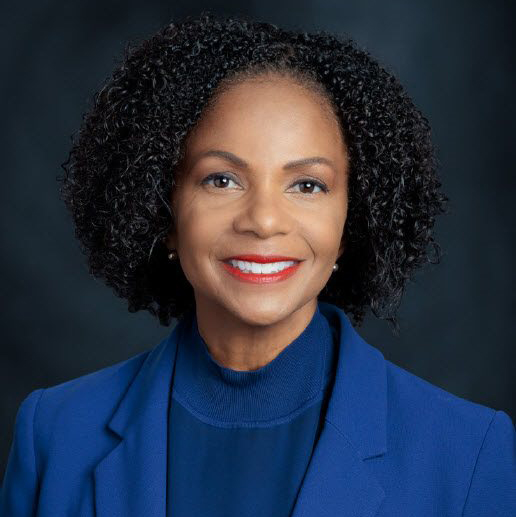
Debra A. Johnson
General Manager and Chief Executive Officer
Regional Transportation District (Denver, CO)
Debra A. Johnson has served as the general manager and chief executive officer of the Regional Transportation District (RTD) since November 2020. With a people-first philosophy rooted in public service and mobility equity, Johnson brings decades of leadership experience in transit from major agencies, including Long Beach Transit, LA Metro, the San Francisco Municipal Transportation Agency and the Washington Metropolitan Area Transit Authority. A recognized voice in the industry, she serves on multiple boards and committees for the American Public Transportation Association as well as the American Public Transportation Foundation, the International Association of Public Transport, WTS International and the Conference of Minority Transportation Officials (COMTO). She has been honored by COMTO as one of the “Women Who Move the Nation.”
Contact her at [email protected].