Continuing operational excellence
How Sound Transit is advancing a state of good repair in the midst of historic expansion
By Dow Constantine, CEO | Sound Transit
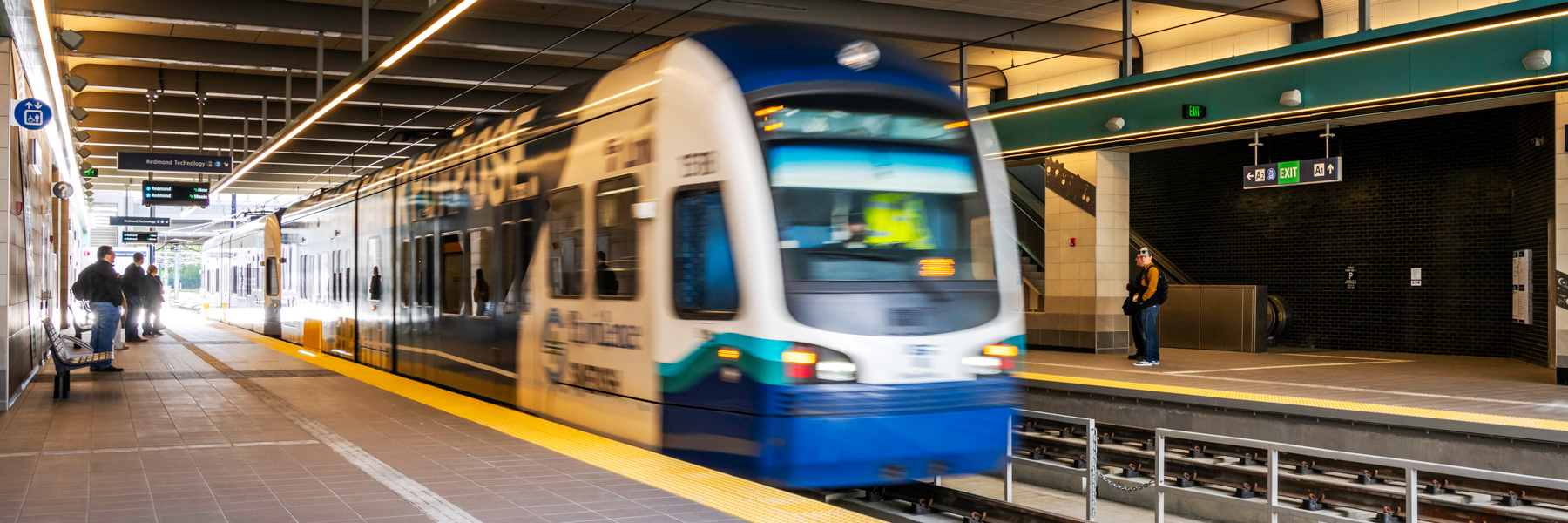
Sound Transit is fulfilling its vision to develop a world-class transit system for Pierce, King and Snohomish Counties in the state of Washington. In 2025, we marked the opening of the Federal Way Link Extension, adding 7.8 miles of light rail and three new stations to the 1 Line. We also are making history with the East Link 2 Line, the first light rail system in the world to cross a floating bridge, connecting Seattle and the Eastside across Lake Washington. By summer 2026, we will have expanded to 63 miles of light rail and 51 stations in just 20 years, extending our reach to 1,000 square miles and 53 cities.
Providing service of this scale demands a disciplined stewardship and a relentless focus on maintaining a state of good repair. To meet our commitment, we are deploying two intiatives that are providing significant insights and value:
- The Enterprise Initiative: Aligns Sound Transit’s capital, operations, maintenance and finance under a unified framework to ensure affordability, reliability and seamless service.
- The Link Light Rail Operating Systems Resiliency Assessment: Evaluates and identifies vulnerabilities and guides upgrades to enhance reliability.
Aligning under a unified strategic framework
Sound Transit’s historic expansion is backed by a strong financial foundation thanks to voter-approved local revenues. Yet we recognize that operations and maintenance costs will rise as the system grows. To meet that future with confidence, Sound Transit created the Enterprise Initiative, a strategic integration and risk‑management framework that puts us on a course for long-term stability.
The Enterprise Initiative aligns capital investment, operations, maintenance and fiscal stewardship under a single cohesive governance system. This provides a holistic, integrated approach that harmonizes expansion with a state of good repair, ensuring transit service remains affordable, reliable and sustainable for decades to come.
As we make choices about capital programs, for example, the Enterprise Initiative exercise allows us to determine and evaluate how those decisions will affect operations, the customer experience and our ability to maintain assets. Having our capital planning team’s creative and ambitious ideas tested by the operations team, finance and maintenance — the teams that will inherit the asset once it is built — is critically important. For example, if we reduce the dimension of a crossover to save costs, we may unintentionally slow trains or accelerate wear, leading to expensive retrofits later. The Enterprise Initiative ensures we identify and address those risks before major capital projects are finalized.

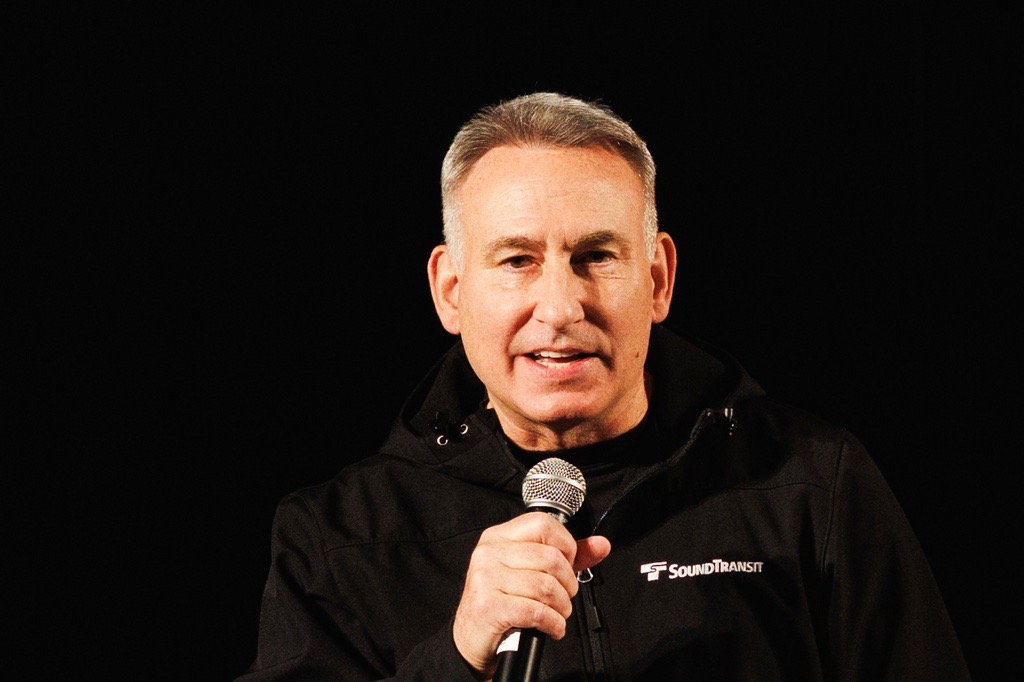 Dow Constantine is the CEO of Sound Transit in the Puget Sound region. He is responsible for overseeing one of the largest, most ambitious regional transit systems in the United States. Before accepting the position as CEO in 2025, Constantine served nearly two decades on the Sound Transit Board, including multiple terms as chair and vice chair. He also served four terms as King County Executive, leading one of the largest regional governments in the United States. This included leadership of King County Metro, one of the largest bus agencies in the U.S. and long-time operator of Sound Transit’s Link light rail. Constantine is also a former member of the King County Council and the Washington State Legislature, serving in the Washington State Senate and the House of Representatives.