Bridges
A legacy of bridge excellence and innovation

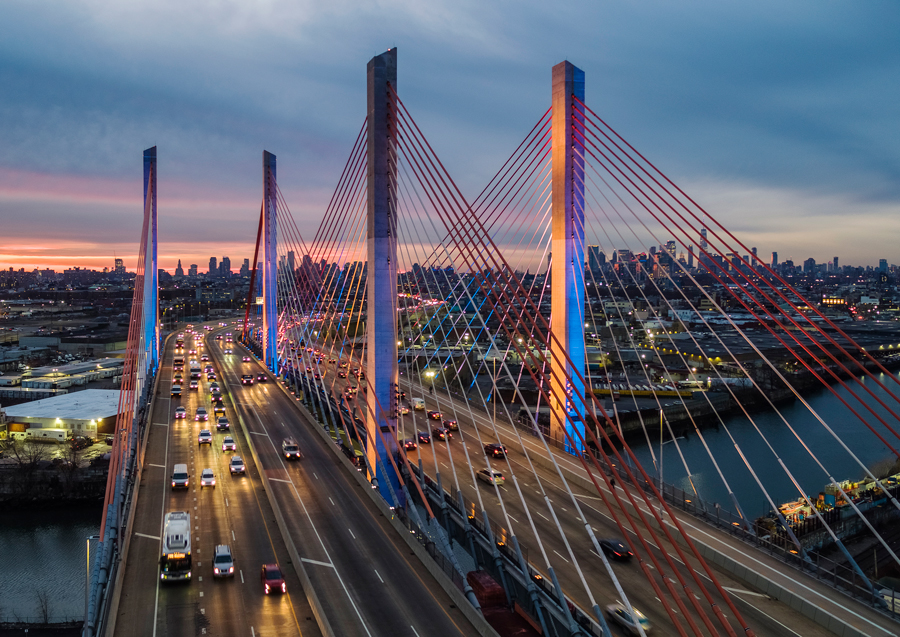
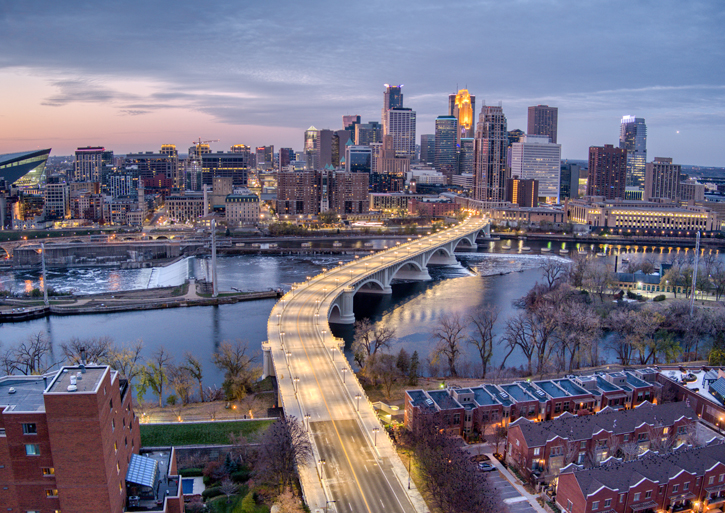
Since its founding nearly 100 years ago, HNTB has long been recognized as the industry’s leader in planning, design and construction of complex long-span and movable bridges. The firm employs advanced technology, including proprietary bridge design and analysis software and 3-D modeling and animation, to ensure each structure meets the client’s or community’s unique needs.
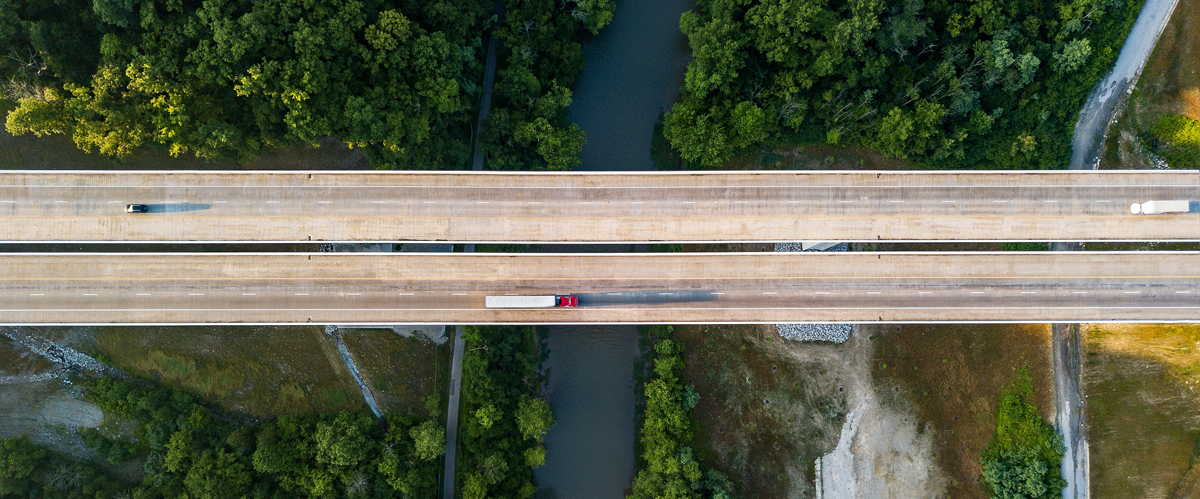
Innovation and creativity play an increasingly essential role in modern bridge design and engineering today. With one in every four bridges in America structurally deficient or functionally obsolete, our nation is facing an investment of billions of dollars to rebuild or replace its aging bridge infrastructure.
While allocating the funds needed to rebuild or replace deficient bridges is a significant challenge for the nation, discovering new ways to do more for our bridge infrastructure with fewer resources is the challenge for those who design, engineer and build bridges.
It’s a game-changing opportunity.
Meeting the challenge requires us to think about projects in a different manner. We must improve and better integrate our efforts on rapid renewal — a process that generates economies of scale in manufacturing and construction, reduces traffic disruption and increases safety.
The first step in that process: Design new bridges with “constructability” in mind. The way a bridge is designed can speed the construction process to create bridges that can be built on an accelerated timeframe to minimize labor costs and reduce negative economic impacts that often result from an extended closure period. For example, HNTB’s accelerated bridge construction approches include the use of bridge movement technology to maneuver completed bridges or bridge sections into place. These applications were successfully incorporated at the Lake Champlain Bridge in upstate New York and the Jerrold Avenue Bridge in San Francisco.
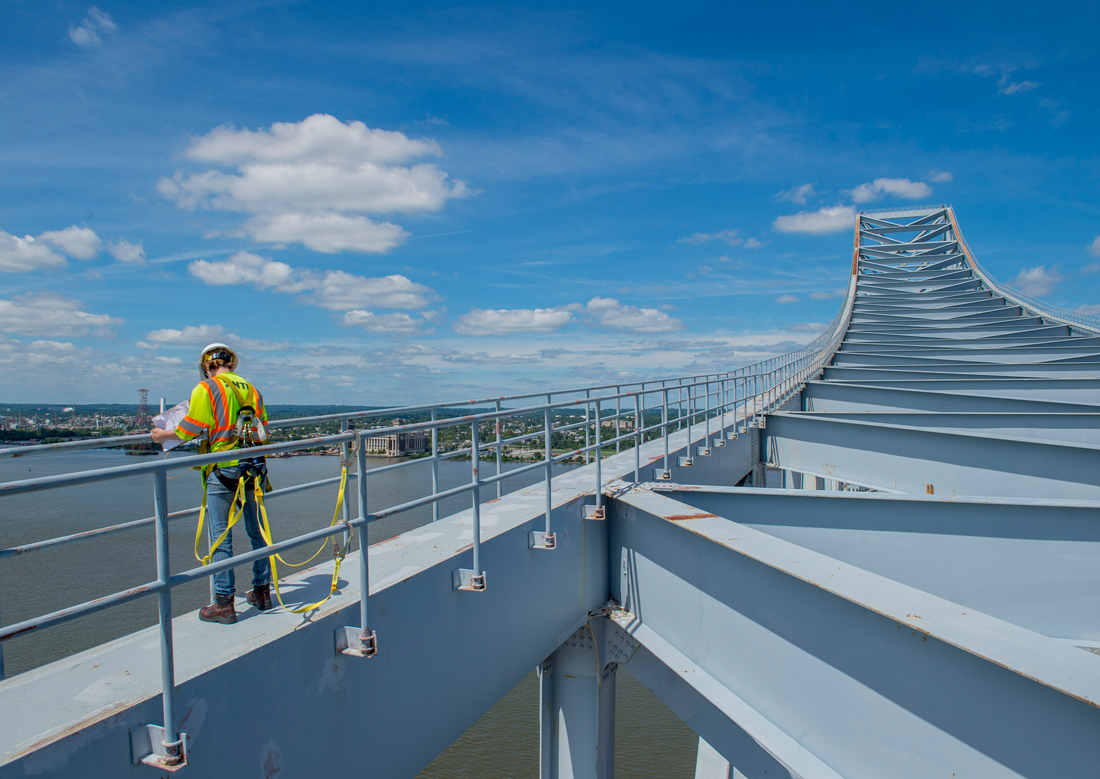
When it comes to the retrofit or rehabilitation of bridges, we must engineer solutions that are less expensive than those of the past yet result in infrastructure that is effective and long-lasting. For example, HNTB utilized a span lift strategy to widen the Huey P. Long Bridge in New Orleans that was faster than traditional stick-build methods and minimized impact to local commerce and the community.
Infrastructure is an engine that drives our economy. To keep that engine running well, we need to be focused on restoration and renewal– and bridges are a key. Securing funding is essential, but creativity, innovation and inspiration in the engineering and design process of our bridge infrastructure are the game-changers that will maximize our investment and deliver real economic growth.