


AVIATION INSIGHT EXTRA
Delivering successful aviation capital programs
How to drive efficient project delivery through early, strategic decision making
By James Manley | HNTB
Aviation capital programs are growing in size and complexity, typically unfolding over many years while airports remain fully operational. In this environment, capital programs function most effectively when they are approached as interconnected systems rather than a collection of individual projects.
Viewing programs through this systems lens brings early decisions into focus. Choices made during program development — ranging from project sequencing and governance structure to team organization and communication — significantly influence system performance over time. When these elements are coordinated early, programs are better positioned to manage complexity, sustain momentum and deliver long-term improvements without disrupting daily activity.
This program-level coordination supports efficient project delivery by advancing enabling projects at the right time, aligning work with available funding and maintaining operational continuity as conditions evolve.
Strategies to support coordinated capital programs
Putting this coordinated approach into practice is driven by how decisions are made and how work is organized across the program. Sequencing, governance and communication are closely linked, shaping how projects advance, how tradeoffs are evaluated and how teams operate across phases. Addressed together and early, these strategies establish a common structure for program execution and guide performance over time.
Intentional sequencing at the program level
Intentional sequencing establishes a clear path for work to advance while preserving operational capacity. Enabling projects, such as utility relocations, taxiway modifications, circulation improvements or temporary facilities, create conditions necessary for subsequent phases to proceed without disruption. Advancing this work early reduces constraints and limits downstream risk.
Sequencing also reflects operational priorities beyond construction efficiency. Projects are timed to align with airline requirements, passenger flows, seasonal demand and funding availability, allowing multiple projects to progress in parallel while maintaining continuity across the airport.
Just as importantly, sequencing allows program leaders to deliberately manage resources across the life of the program. Labor, staging areas, access routes and funding can be shifted predictably between workstreams as phases advance. This reduces start-and-stop cycles, avoids overloading airport systems and ensures that teams and equipment are consistently positioned where they are needed most.
As programs mature, sequencing sustains both operational continuity and resource continuity, supporting long-term delivery while the airport remains fully functional.
As airports navigate increasing demand and long-term modernization, approaching capital programs as integrated systems will remain essential to delivering lasting improvements without disrupting daily activity.
– James Manley
National Practice Leader, Aviation | HNTB
Strong governance and project controls
Program governance and controls establish how a capital program functions day to day. Governance defines decision authority, escalation paths and accountability, while controls provide the mechanisms that translate those decisions into coordinated execution across projects and phases.
In active airport environments, this integrated framework provides the structure required to manage interfaces, align teams and address issues at the program level. Defined processes for cost, schedule, risk and reporting allow performance to be monitored and decisions to be informed by current conditions. These controls also provide visibility into how resources are being used across concurrent projects. With clear insight into where labor, access and funding are committed, program leaders can proactively rebalance efforts before conflicts affect operations or delay progress.
Integrated cost and schedule management maintains alignment between planning assumptions and field execution as programs evolve. When governance and controls are established early and applied consistently, they reinforce coordination, accountability and adaptability across the program system, enabling airport capital programs to advance while maintaining safe and efficient operations.
Communication across the program
With dozens of internal and external stakeholders involved in daily operations, frequent and timely communication is a requirement for keeping work moving.
Successful programs identify all stakeholders early in design and bring them into the process before construction begins. For example, engineering, operations, airlines, concessions, security, ground transportation, public agencies, travelers and many additional stakeholders all provide input that can mitigate risk. Engaging these groups early often reveals operational needs that would otherwise surface during construction, when adjustments are far more disruptive and expensive.
Frequent communication continues throughout delivery. Internal briefings with department leaders, coordination meetings across projects and clear escalation paths ensure that information flows reliably across the program. At the same time, external communication through airport channels, social media, dynamic signage and airline notifications keeps passengers informed of upcoming changes well in advance.
Over the life of a capital program, integrating this communication preserves institutional knowledge and maintains continuity as phases advance, allowing complex programs to progress while daily airport operations continue uninterrupted.
Ensuring successful capital delivery
Airport capital programs perform best when early decisions establish clarity across sequencing, governance and communication. Together, these elements form a coordinated system that shapes how work advances, how resources are managed and how operations are sustained throughout delivery.
As airports navigate increasing demand and long-term modernization, approaching capital programs as integrated systems will remain essential to delivering lasting improvements without disrupting daily activity.
ABOUT THE AUTHOR
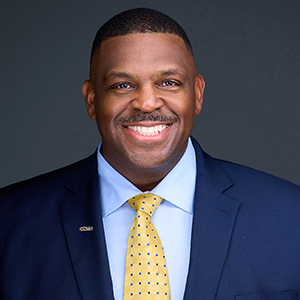
James Manley
National Practice Leader, Aviation
HNTB Corporation
James Manley is an accomplished aviation leader with a proven track record of delivering large scale airport projects. Manley's experience includes successfully overseeing the procurement and design of various terminal and concourse updates at Hartsfield-Jackson International Airport and serving as lead for the procurement and design phases of the new Concourse B, along with airfield/apron and tunneling projects at Austin-Bergstrom International Airport.
SEE MORE ARTICLES
FEATURED INSIGHTS
EXPERTISE
FEATURED INSIGHTS
Leveraging digital solutions to streamline runway reconstruction
FEATURED INSIGHTS