Redefining Richmond’s tolling infrastructure
Drawing on advanced technology and the insights of an experienced team, the Richmond Metropolitan Transportation Authority is modernizing its infrastructure and processes to improve safety, efficiency and customer experience.
By Joi Taylor Dean, Chief Executive Officer | Richmond Metropolitan Transportation Authority and President, International Bridge, Tunnel and Turnpike Association
For tolling agencies, modernization is both a responsibility and a strategic imperative. Every investment must be financially responsible, operationally sound and responsive to customers’ rising expectations for a safe, reliable and seamless travel experience.
At the Richmond Metropolitan Transportation Authority (RMTA), our strategy is focused on modernizing the full tolling experience. That includes our transition to all-electronic tolling (AET), major investments in organizational efficiency and a broader effort to strengthen how we serve customers, support regional mobility and steward the infrastructure entrusted to us.
Culture is central to delivering on our modernization strategy. Our organization is deeply focused on collaboration, accountability and shared purpose guiding decision-making. When operations, finance, customer service, engineering and leadership are aligned, the organization is better positioned to anticipate challenges, solve problems creatively and deliver meaningful improvements for customers and stakeholders.
All-In on modernization
RMTA owns and operates three major toll facilities in the Richmond region, including the Powhite Parkway, the Downtown Expressway and our beloved 100-year-old Boulevard Bridge. Together, these facilities support daily travel into, through and around the city, connecting communities, employers, institutions and destinations across the region. The system encompasses more than 50 lane miles and 36 bridges and generates toll revenue from approximately 63 million vehicle transactions each year.
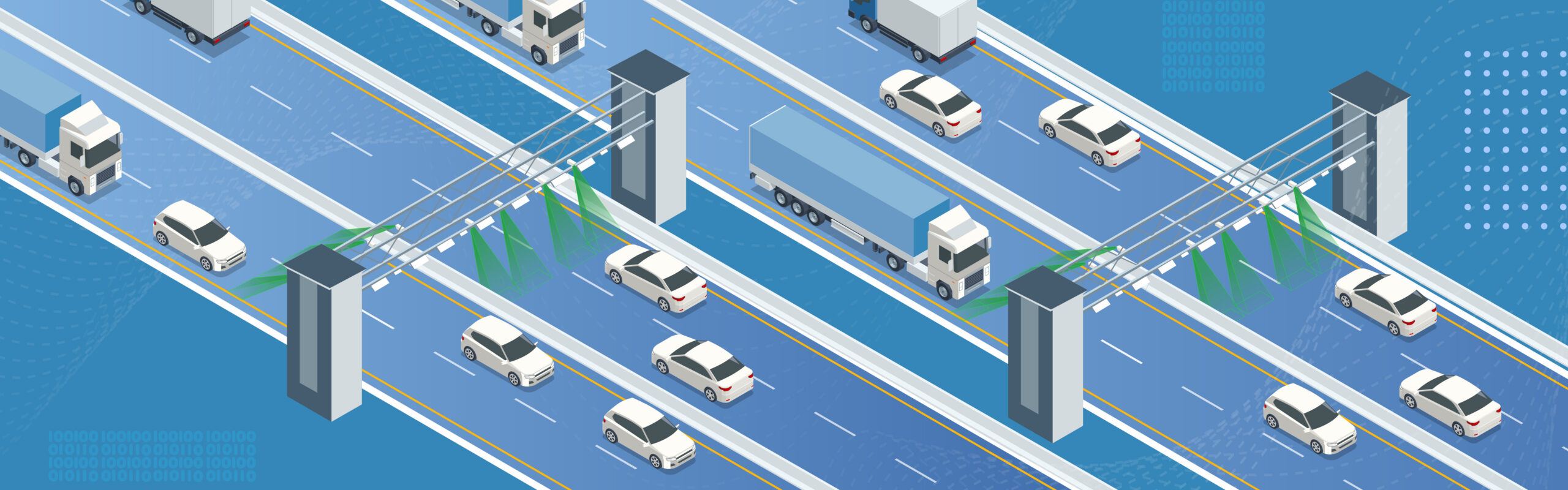
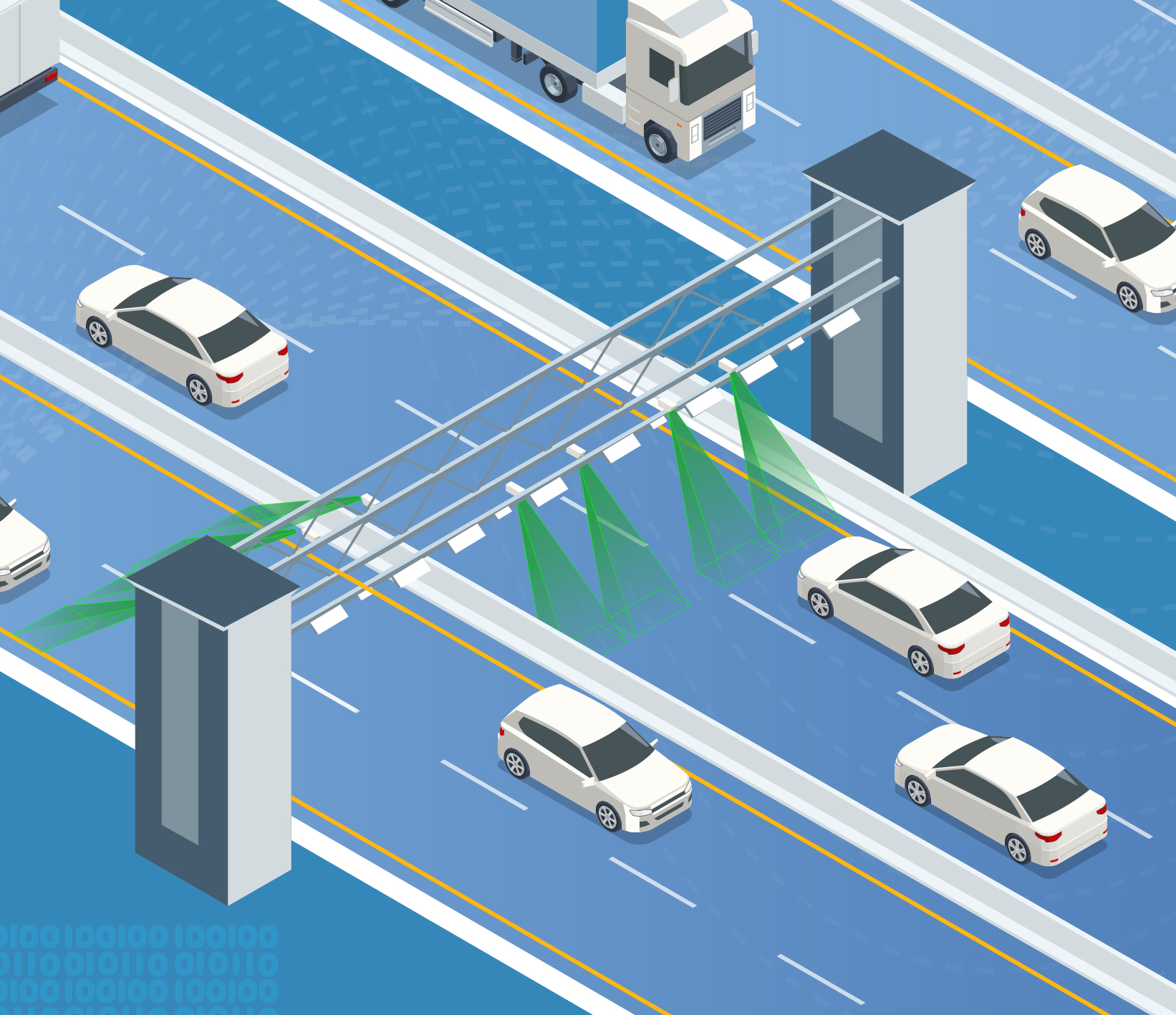
Modernizing a system of this scale requires investments that improve how customers move today while preparing the authority for the future of tolling. Our transition to all-electronic tolling began in October 2025, when we installed a 180-foot, single-span tolling gantry just south of the James River Bridge. The mainline gantry sets a new benchmark in tolling architecture and demonstrates the feasibility of long-span, end-supported gantries for future intelligent transportation systems. Additional “AET lite” tolling technology was installed at entrance and exit ramps, using cameras at traditional lanes of the Downtown Expressway, at all ramps and at the Boulevard Bridge. As of February 2026, our entire system has electronic toll collection by E-ZPass or Pay-By-Plate, with a planned phase-out of all cash collection by 2027.
While these infrastructure improvements are highly visible, their greater value lies in what they make possible. All-electronic tolling gives RMTA a more efficient operating platform by reducing the need for manual transaction processing, expanding digital self-service options and creating clearer, more timely data on customer activity, travel patterns and system performance. As customer expectations, regional mobility needs and travel behaviors continue to evolve, this foundation allows the agency to respond more quickly and manage its network with greater insight.
For an independent tolling entity, modernization carries both an operational and financial responsibility. RMTA is focused on delivering reliable, efficient facilities for the customers who choose to use our roads while meeting our obligations to the bondholders who invest in them. That balance guides how we approach technology, infrastructure, customer service and long-term organizational performance.
Expanding customer value through digital adoption
Modernization requires helping customers understand and adopt the choices that create the greatest value for them and the authority.
At RMTA, that means increasing awareness of E-ZPass across the Richmond region. Customers who use E-ZPass receive the lowest available toll rate because electronic transponder transactions are more efficient to process. Pay-By-Plate remains an important option if a transponder is misplaced or runs out of funds, but it carries higher administrative costs associated with invoicing, mailing and collections. On the Powhite Parkway and Downtown Expressway, for example, the E-ZPass rate for a two-axle vehicle is currently 90 cents, compared with $2 for Pay-By-Plate.
That difference underscores an important point for tolling leaders: customer adoption is directly tied to operational efficiency. The more effectively we can reduce friction, expand access and help customers choose lower-cost digital options, the better positioned we are to manage costs while improving the customer experience.
Early results are encouraging, as customer engagement indicates increased adoption of E-ZPass following the transition to AET.
Moving from anecdotes to analytics
RMTA’s modernization efforts also are strengthening how we understand and manage the system. The new license plate recognition technology and transponder data give us a more granular picture of how vehicles are moving through our system. We’ll use this data to drive smarter operational decisions and share time-sensitive information with customers.
Data flowing from our modernized infrastructure will help us better understand our traffic patterns, our peak travel times, customer behavior and roadway usage. Previously, we operated mainly from anecdotes and information provided by our teams. Now we have that same team experience – plus rich data – as we make operational decisions.
Leading with transparency and clarity
RMTA has modernized its communications and engagement approach, as well. Since the start of our planning phase, we have systematically provided stakeholders with information about RMTA’s construction schedules and updates. This includes our jurisdictional partners, such as the mayor, county manager and county administrator, as well as the city council and the county boards of supervisors. Also, VDOT has been a critical partner for this modernization initiative due to their E-ZPass administration and ownership of the Powhite Parkway Extension, which abuts our Parkway.
To reach the broader public more effectively, we’ve utilized new and more diverse multi-media communications channels. We were on the air with TV commercials, which I believe is a first for this agency. If customers watched the Olympics, they saw our commercial, and if they read the Richmond Times-Dispatch online or checked social media, they saw our ubiquitous digital ads. We geo-targeted all of our messages to this region to efficiently inform people about the coming changes.
Tolling and tomorrow
Tolling agencies like RMTA are in a unique position to help shape solutions to America’s infrastructure needs. Tolling agencies build, operate and maintain facilities that serve the public with great efficiency and, most often, do it without taxpayer funding. We must communicate our strategies and successes to leaders who are influencing infrastructure funding decisions in the transportation realm nationally. We must illuminate the power of tolling to support mobility today and tomorrow.
Our team looks forward to working with others, directly and through organizations like IBTTA, to build and maintain efficient, modern, toll-funded infrastructure to serve everyone and to keep our economy advancing.