
Championing Community Recovery and Resilience
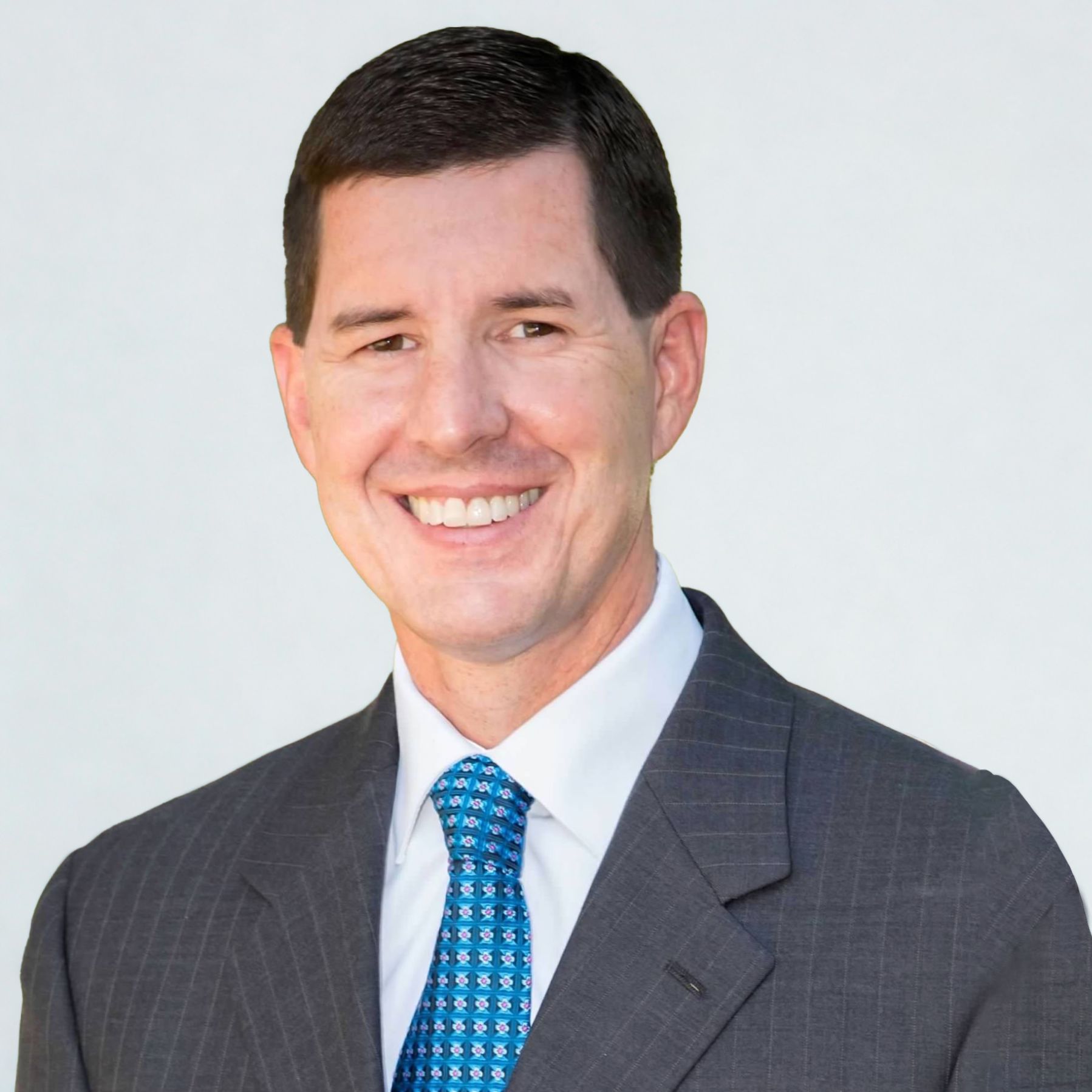
One year after Hurricane Helene, North Carolina’s recovery is moving from emergency response to durable, long-term rebuilding. Brian Burch — a lifelong North Carolinian, former North Carolina Department of Transportation (NCDOT) Western Deputy Chief and now HNTB Deputy Program Manager — has been at the center of that effort, helping the state restore vital corridors and rebuild stronger for the future. To him, resilience means more than fixing a single failure point; it’s about strengthening entire corridors and their connections so communities and commerce can keep moving. Drawing on decades of leadership experience, Brian partners with clients to deliver solutions that reduce repeat loss, protect public investment and keep lifeline corridors functioning under stress.
You’re a lifelong North Carolinian and former NCDOT leader. How did that background shape your approach to Hurricane Helene recovery?
I spent nearly 29 years with NCDOT and managed multiple major events, including 2004’s Hurricanes Frances and Ivan, which took down critical infrastructure. Twenty years later, Helene hit many of those same areas even harder, and some earlier “to-standard” repairs didn’t withstand this new level of intensity. That perspective reinforced for me that recovery can’t be about isolated fixes; it has to be about strengthening entire corridors and their interdependencies.
With Helene, the focus was on rebuilding for resilience — moving beyond “like-for-like” replacement toward solutions that reduce repeat loss, protect public investment and keep lifeline corridors functioning when the next extreme event hits.
What were the biggest challenges in those first days following Helene, and how did you set priorities?
Those first days were defined by scarce communication, tight logistics and limited information about the extent of the destruction. Our teams were working long hours with little outside support, so we had to be self-sufficient while quickly sorting through limited data. In that environment, decades of DOT leadership experience kicked in: focus first on life safety and continuity, establish field-verified situational awareness and then bring the right partners together to keep complex recovery work moving forward.
How do you balance rebuilding resilient infrastructure with supporting the communities that rely on it?
Resilience isn’t just about stronger bridges and roads; it’s about helping people get back on their feet. That means restoring access for essential services and schools as quickly as possible, coordinating with property owners on private bridge replacements and designing slopes and roadways so families and businesses can realistically rebuild. The goal is simple: enable recovery and put communities on a stronger footing than before.
What innovative construction methods, materials or designs are you deploying to rebuild stronger and faster?
Everything we’re doing is carefully aligned with resilience outcomes, making sure repair strategies will stand up against the next extreme weather event. That means using stronger embankment materials such as roller-compacted concrete that forms a dam-like structure immovable by large water forces or interlocking pipe-piles that resist flood scour and potential failure points in the slopes. Behind the scenes, advanced 2D hydraulic modeling, disciplined independent cost estimating (ICE) and redundant field connectivity ensure our strategies are both practical and durable.
The goal is simple: enable recovery and put communities on a stronger footing than before.
– Brian Burch
Deputy Program Manager
How do strong relationships make for a successful recovery following Helene?
Momentum comes from trust and clarity of purpose. Because of long‑standing relationships, we were able to quickly align with federal partners, contractors, consultants and other state DOTs who were willing to support recovery efforts around a clear set of shared priorities. It wasn’t “us and them” — it was one team moving in the same direction. Relationships turned into results because everyone understood the mission and pulled in the same direction, no silos, just shared accountability to the public.
What’s the state of things in North Carolina now, and how far have we come since Helene?
We’ve moved from crisis response to real recovery. In the first few weeks, it was about restoring access, even if that meant single-lane gravel where paved roads had been, so people could reach schools, stores and emergency services. Today, critical corridors are open, including I‑40, restoring lifeline mobility for tens of thousands of vehicles daily.
Communities can travel, businesses can operate and emergency services can respond. The next phase is underway: permanent repairs designed for resilience. We’ve gone from survival to stability — and now we’re building strength for the long term.
What advice would you give to state DOT leaders about embedding resilience into their programs today?
Treat resilience as a program strategy, not a project add‑on. Identify your fracture‑critical corridors and structures — the ones whose loss would sever communities or commerce — and revisit standards accordingly. Build redundant communications for field teams, keep continuity‑of‑operations plans current and don’t wait for a storm to define your approach. Establish your resilience program now so you can lead decisively when it matters.
EXPERTISE
FEATURED INSIGHTS